Contact us
Leave Your Message
0%

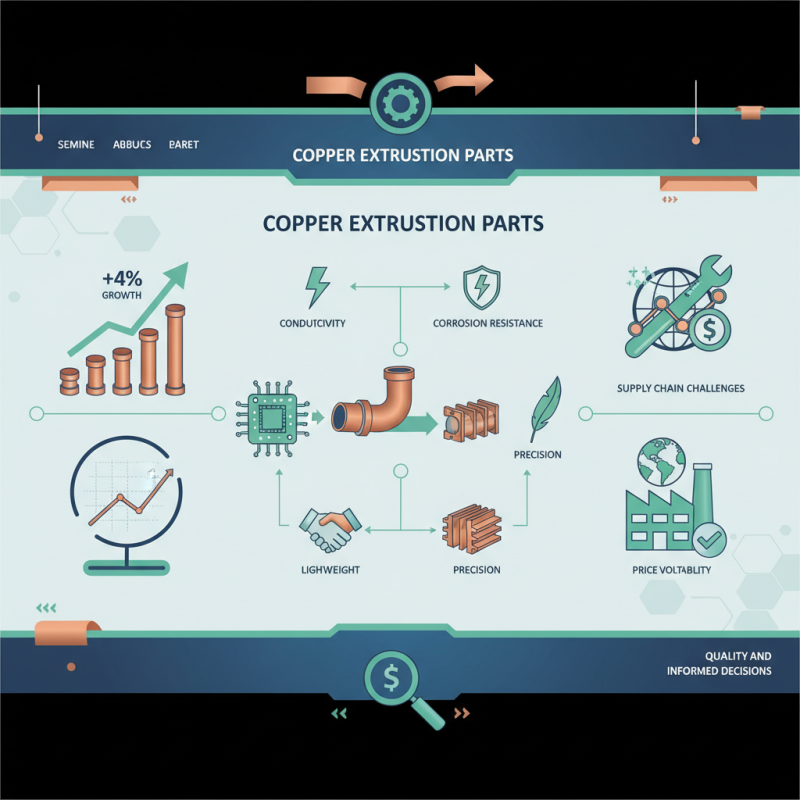
In the world of manufacturing, you’ll often hear about Copper Extrusion Parts, and honestly, they play a pretty important role across tons of industries. According to a report from the Institute for Supply Management, copper demand has been steadily climbing, with expectations of more than 4% growth each year up until 2025. This just goes to show how valuable copper remains, mainly because of its excellent conductivity and resistance to corrosion.

But the perks of using Copper extrusion Parts aren’t just about their basic functions. They’re also lightweight and incredibly precise, which makes a real difference in things like electronics and automotive parts. Companies like Conex Banninger and Mueller Industries have really shown that custom copper solutions can boost efficiency and help save energy in the process. Of course, there are some hurdles—for example, copper prices tend to fluctuate, which can shake up manufacturing costs.

To really get why Copper Extrusion Parts matter, you’ve got to focus on quality and dependability. Not all manufacturers are created equal—some might cut corners or lack that extra technical finesse, so it’s up to buyers to do their homework and pick the right suppliers. Thinking about these things carefully can help you make smarter sourcing decisions and, ultimately, get better results in the long run.
What is Copper Extrusion Parts and Their Benefits for Buyers?

What is Copper Extrusion?

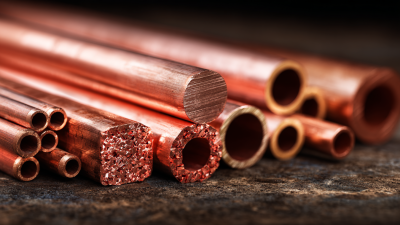
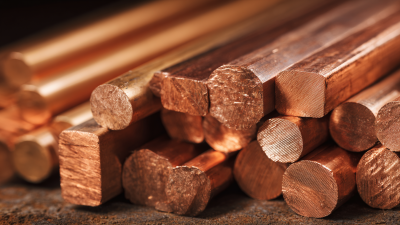
Copper extrusion is a manufacturing process used to create complex shapes and components from copper. This method involves forcing heated, malleable copper through a die to produce long sections of material. The result is a wide range of Copper Extrusion Componentsthat can fit various applications. Due to its high conductivity and corrosion resistance, copper is often ideal for Electrical, plumbing, and architectural uses.

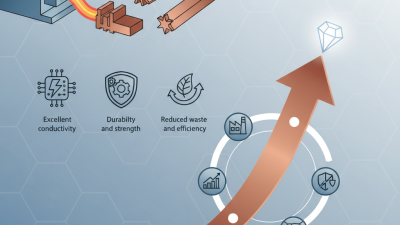
The benefits of copper extrusion are numerous. This process allows for precise and consistent shapes, which are critical in many industries. Users can achieve intricate designs while maintaining strength and durability. Moreover, the production of copper extrusion components can lead to reduced waste compared to other methods. The energy efficiency of this process also stands out, making it an environmentally friendly choice.

However, there are considerations to keep in mind. Not every design is feasible for extrusion. Sometimes, complex shapes may require more material or lead to increased costs. Buyers should be aware of these potential pitfalls and work closely with experienced professionals. Choosing the right specifications is crucial to ensure that the final product meets the intended needs.

What is Copper Extrusion Parts and Their Benefits for Buyers? - What is Copper Extrusion?
Dimension Description Benefits
Material Copper alloys like C11000, C12200 Excellent electrical conductivity
Process Extrusion Improves production of complex shapes
Applications Electrical components, plumbing fittings Versatile usage in various industries
Weight Varies by dimensions and shape Lightweight for easy handling
Durability High resistance to corrosion Long lifespan, reducing replacement costs
Customization Tailored designs as per requirements Meets specific project needs

The Process of Copper Extrusion Explained

Copper extrusion is a vital manufacturing process that creates complex shapes from copper. The method begins with heating a copper billet until it becomes malleable. Once the metal reaches the right temperature, it is forced through a die. This creates continuous lengths of desired cross-sectional shapes. The process allows for high precision in creating intricate designs. Hence, manufacturers can achieve unique and Complex Copper Extrusion Shapes that meet specific requirements.

After extrusion, the copper parts undergo various treatments. These may include cooling, annealing, or shaping to enhance properties. The result is a product that is not only strong but also resistant to corrosion. Buyers appreciate the versatility of copper extrusions, as they can be tailored for numerous applications, from electrical components to plumbing systems. However, the process demands skilled expertise to ensure quality and reliability. Mistakes can lead to defects, affecting overall performance. Ensuring the right specifications from the outset helps mitigate such issues, making careful planning essential.

Key Characteristics of Copper Extrusion Parts

What is Copper Extrusion Parts and Their Benefits for Buyers?

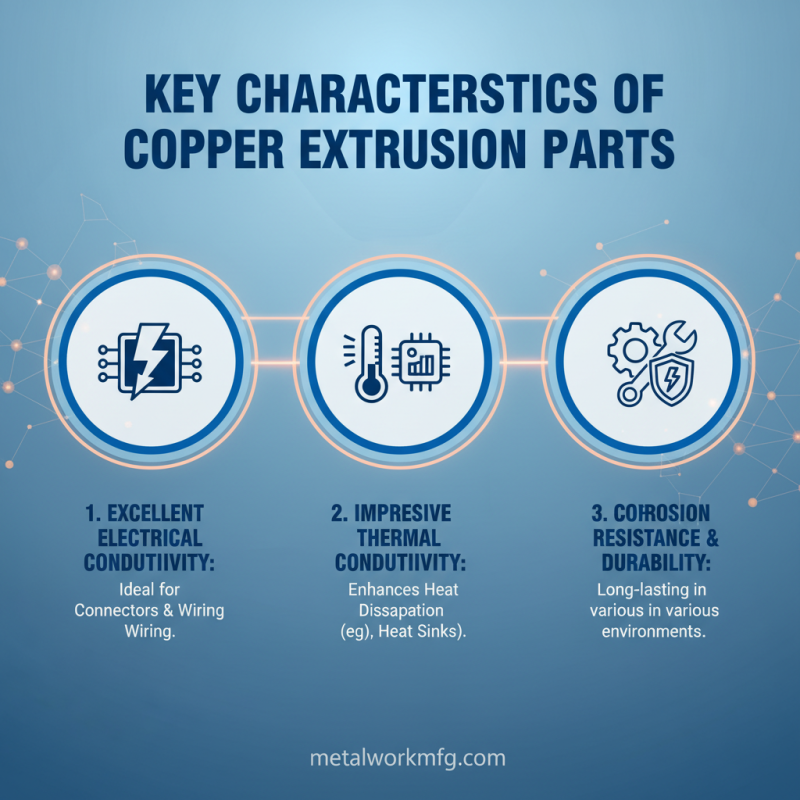
Copper extrusion parts are known for their unique characteristics that offer significant advantages in various applications. One primary feature is their excellent electrical conductivity. This property makes copper extrusion ideal for electrical components, such as connectors and wiring. Additionally, copper parts exhibit impressive thermal conductivity. This can enhance heat dissipation in devices like heat sinks.

Another key characteristic is their malleability. Copper can be easily shaped through the extrusion process, allowing for precise dimensions. This flexibility is crucial for industries requiring tightly specified parts. Furthermore, copper extrusion provides superior corrosion resistance compared to other metals. While copper can tarnish, this does not affect its overall structural integrity.

Despite these advantages, there are challenges. Copper parts can be more expensive than alternatives like aluminum. Sourcing high-quality copper may also be uncertain, leading to variability in the final product. Buyers need to consider the balance between cost and quality when selecting copper extrusion for their projects. Ensuring reliability in supply and performance is critical to achieving desired outcomes.

Advantages of Copper Extrusion for Buyers

What is Copper Extrusion Parts and Their Benefits for Buyers?

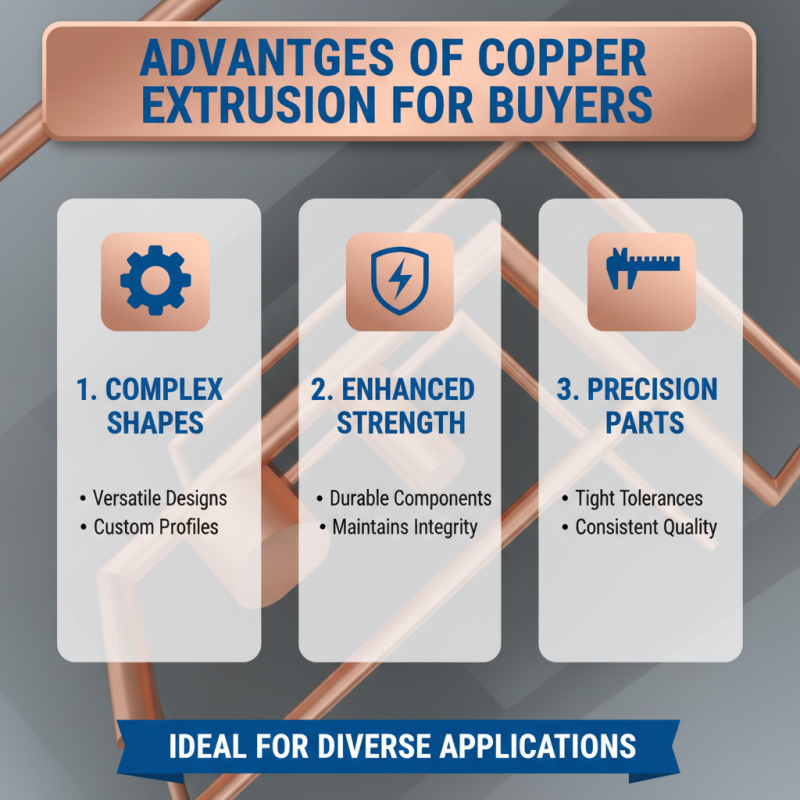
Copper extrusion is a vital process in manufacturing, valued for its benefits to buyers. This technique shapes copper into complex forms while maintaining its integrity. The result is strong, precise parts that are ideal for various applications.

One major advantage is the excellent conductivity of copper. This makes these parts essential for electrical applications. Users report improved performance in their devices. Additionally, copper is resistant to corrosion. This durability leads to longer-lasting products in harsh environments. Buyers often appreciate these qualities as they reduce maintenance costs.

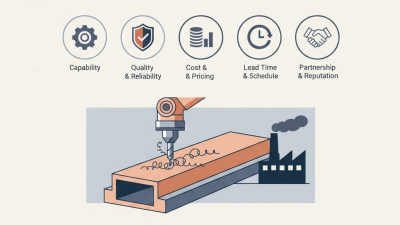
Furthermore, the extrusion process allows for significant design flexibility. Manufacturers can create intricate shapes without wasting material. While the initial cost may be higher, the long-term savings can be substantial. However, buyers should be aware that not all suppliers offer the same level of quality. Researching suppliers is crucial to ensure reliable products.

Applications of Copper Extrusion Parts in Various Industries

Copper extrusion parts play a vital role across many industries. These components are created through the process of extruding copper into specific shapes. The results can be seen in everything from electrical connectors to plumbing fittings. Their versatility and high conductivity make them essential for various applications.

In the automotive industry, copper extrusions are often used for wiring harnesses. They ensure efficient power distribution within vehicles. In aerospace, these parts contribute to lightweight but strong structures. Their corrosion resistance is invaluable for parts exposed to harsh conditions. The electronics sector benefits significantly too, using copper for circuit boards and connections. However, buyers must consider the sourcing and processing standards. There are differences in quality that can impact performance.

Manufacturers face challenges in maintaining consistency with copper quality. It's essential to partner with reliable suppliers to ensure standards are met. There may be geometric limitations in extrusion that require careful design consideration. Not all manufacturers can achieve the desired precision. This reflection on the production process highlights the importance of expertise in copper extrusion. Understanding these nuances can lead to better purchasing decisions for buyers.

Benefits of Copper Extrusion Parts by Industry

Cost-Effectiveness of Copper Extrusion Solutions

Copper extrusion is a manufacturing process that creates solid or hollow shapes of copper by forcing it through a die. This technique offers several cost-effective solutions, especially for industries requiring high-quality Cnc Copper Parts. Buyers often appreciate the reduced waste material since copper can be efficiently shaped into the desired components. This process also lowers production costs due to high efficiency and speed.

For buyers, choosing copper extrusion means investing in components that are durable and have excellent electrical conductivity. These attributes can lead to long-term savings. However, sourcing these parts requires careful evaluation of suppliers. A buyer may need to spend time researching to ensure the best quality and value.

Tips: When selecting suppliers, consider their experience with CNC copper parts. Ask about their production methods and quality control processes. It may also help to measure their responsiveness to inquiries. Such reflection can reveal potential gaps in service or product quality, which should always be addressed before placing large orders. A thoughtful approach will yield better outcomes.

Maintenance and Care for Copper Extruded Products

Copper extruded products require careful maintenance to ensure longevity and performance. Regular cleaning is essential. Using mild soap and water can remove dirt and grime without damaging the surface. A soft cloth or sponge is recommended. This prevents scratches that may result from harsh scrubbing materials. According to the Copper Development Association, proper maintenance can increase the lifespan of copper components by 30%.

Corrosion is a common concern for copper products. Humidity and exposure to harsh chemicals can accelerate degradation. Applying a protective sealant can help mitigate these effects. Regular inspections for signs of wear or corrosion are crucial. Monitoring these aspects ensures optimal functioning and reduces the need for costly replacements. Studies indicate that addressing minor issues early can save up to 50% on repair costs in the long run.

Temperature fluctuations can also impact copper's integrity. Extreme heat or cold may lead to expansion and contraction. Providing stable environmental conditions can reduce this risk. For industrial applications, maintaining consistent temperatures is vital. Researchers note that 80% of copper failures are linked to environmental stressors. Awareness and proactive maintenance can significantly enhance the performance of copper extruded parts.

FAQS

: What is copper extrusion?

: Copper extrusion is a process that shapes heated copper into long sections through a die.

What are the main benefits of copper extrusion?

It offers precise shapes, reduces waste, and maintains strength. It's energy-efficient and environmentally friendly.

Why is copper preferred for electrical applications?

Copper has excellent conductivity, improving performance in devices. Its corrosion resistance ensures durability in tough environments.

Can all designs be extruded?

No, complex shapes may require more material and increase costs. It's important to consult experienced professionals.

How does copper extrusion save costs?

The process minimizes waste and maximizes efficiency, leading to lower production costs over time.

What should buyers consider when choosing suppliers?

Research supplier experience, production methods, and quality control. Evaluate their responsiveness to inquiries as well.

How can the initial costs affect long-term savings?

While initial costs may be high, the durability and efficiency of extruded parts can lead to long-term savings.

What is a potential pitfall in copper extrusion?

Not all suppliers provide the same quality. It's vital to carefully evaluate options to avoid poor results.

Conclusion

Copper extrusion parts are products created through a manufacturing process that involves shaping copper material by forcing it through a die. This technique yields components with precise dimensions and excellent surface finishes, making it essential in various industries. The process of copper extrusion consists of heating the copper, applying pressure, and then cooling the extruded product, which retains the properties of the metal while enhancing its structural integrity.

The advantages of copper extrusion parts for buyers include their high conductivity, corrosion resistance, and versatility in applications ranging from electrical connectors to plumbing fixtures. Due to the cost-effectiveness and efficiency of the extrusion process, manufacturers can produce these parts at competitive prices. Additionally, proper maintenance of copper extruded products ensures longevity and optimal performance, making them a reliable choice for diverse industrial applications.
Liam

Liam

Liam is a dedicated marketing professional at Shaanxi Brilliant Machinery Co., Ltd., where he plays a pivotal role in promoting the company's vision of becoming a global benchmark for manufacturing excellence. With a deep understanding of the mechanical parts industry, Liam is committed to......
Previous Best Copper Extrusions for Global Buyers in 2026?